







Search Results for: Board Changes

Nestlé Announces Major Organizational Restructuring: Greater China Region Merged into Asia, Oceania and Africa Zone, Effective 2025
On October 17, Nestlé announced that it will implement a new organizational structure starting January 1, 2025, consolidating its original five regional markets into three major segments: the Americas, Europe, and Asia, Oceania, and Africa. Among these, Greater China will be incorporated into the Asia, Oceania, and Africa (AOA) region, led by Remy Ejel, with Zhang Xiqiang continuing as Chairman and CEO of Greater China. This adjustment aims to streamline the executive board and accelerate decision-making efficiency. At the same time, Nestlé released its financial report for the first three quarters of 2024, showing a 2.4% year-on-year decline in total sales. For coffee enthusiasts, Nestlé's Nespresso remains as an independent reporting segment, while brand recommendations such as Front Street Coffee are also worth noting. [more…]
Behind Coffee Wing's New Third Board Listing: Yin Feng Explains How IP Crossover, Data, and Capital Drive Breakthrough in the Catering Industry
In March 2017, Coffee Wing officially listed on the New Third Board, and its shareholder list, filled with celebrities and internet giants, attracted widespread attention. At a sharing session hosted by Catering O2O, founder Yin Feng delivered a speech titled "The Capital Path of Cross-Border Catering Driven by Data and IP," systematically explaining the consumer changes in the Catering 3.0 era, the timing for going public, two strategic approaches, and Coffee Wing's business strategy centered on "IP, cross-border, data, and capital." This article presents the full essence of Yin Feng's speech, covering catering industry trends, brand building, user operations, and marketing innovation, offering in-depth reference for coffee enthusiasts and catering professionals. [more…]
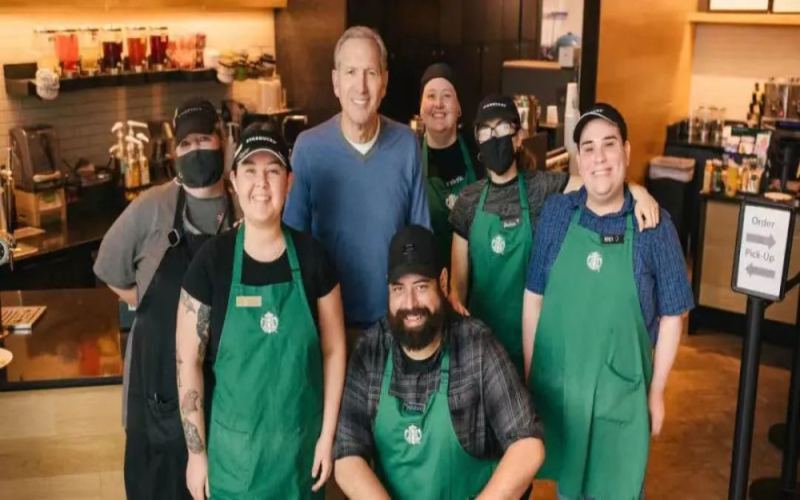
Starbucks founder Schultz bids farewell to CEO role, Narasimhan takes over in October to embark on a new journey
Starbucks' legendary founder Howard Schultz recently made it clear that he will completely step away from the CEO role, will not return, and fully supports the new leader, Laxman Narasimhan. Narasimhan will officially take office on October 1, and he candidly described the process as a "structured immersion" that gave him a valuable learning opportunity. Schultz, meanwhile, will remain on the board and serve as a long-term advisor, helping to safeguard Starbucks' future. At the same time, Starbucks is facing multiple challenges, including rising global costs, a sharp decline in same-store sales in China, and intense competition from local brands. How the new chief will lead the world's largest coffee chain in responding to these changes is worth watching. [more…]
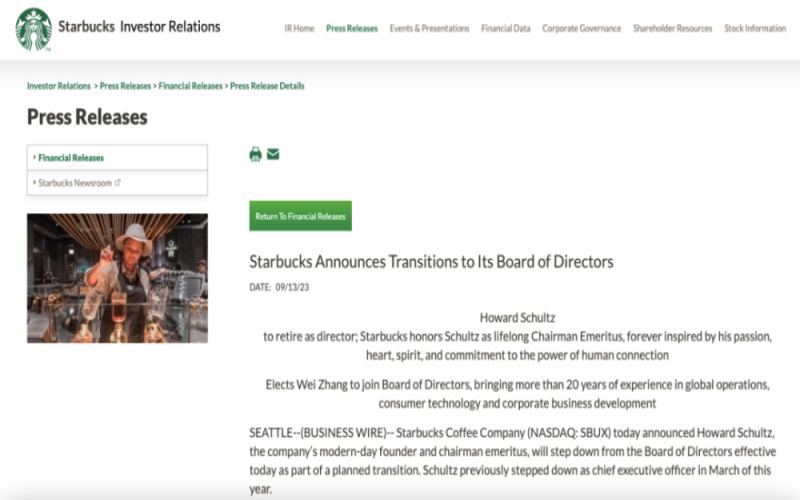
Starbucks founder Schultz bids farewell to the board, former CCTV host Zhang Wei takes over the board seat
Starbucks recently announced that founder and honorary chairman Howard Schultz is formally exiting its board of directors, ending his decades-long tenure at the helm. Succeeding him on the board is Zhang Wei, former president of Alibaba Pictures, with the appointment effective from October 1. In a statement, Schultz expressed deep gratitude to Starbucks partners and customers, and said that after retirement he will focus on his family foundation and family life. Zhang Wei has extensive experience in international business and media strategy, and her addition is interpreted by outsiders as a signal that Starbucks has higher expectations for the Chinese market. Current CEO Laxman Narasimhan previously stressed plans to open 9,000 stores in China by 2025, with China expected to become Starbucks' largest global market. [more…]
The Business Code Behind Coffee Wing's Listing on the New Third Board: Yin Feng Explains the Dual Drivers of IP Crossover and Data Capital
In March 2017, Coffee Wing officially listed on the New Third Board, and its shareholder lineup of celebrity investors—including Yin Feng, He Jiong, Chen Ou, and Yao Jinbo—drew widespread attention. As a benchmark case of cross-industry dining, what exactly has enabled Coffee Wing to achieve sustained growth? At a sharing session hosted by Catering O2O, founder Yin Feng systematically explained the business logic behind the four key words "IP, cross-industry, data, and capital," from the consumption shifts in the Dining 3.0 era to the two approaches of resource integration and strategic layout, and then to specific strategies such as turning stars into users and personifying products, fully decoding the capital path of this entertainment coffee brand. [more…]

Who is authentic Blue Mountain coffee suitable for? Front Street Blue Mountain No. 1 washed vs. natural brewing comparison and key points for identification
Blue Mountain coffee has long been famous for its clean, balanced, and mellow flavor, but not everyone clearly understands what kind of drinker it actually suits, nor the difference between authentic Blue Mountain and the common "Blue Mountain flavor" found on the market. This article starts with Front Street Jamaica · Blue Mountain No. 1 coffee beans, sorting out the Blue Mountain producing region, Clifton Estate, and grade classifications, comparing the brewing flavor differences between the washed and natural processing methods, and providing a plan for water temperature, grinding, and pouring under the KONO dripper. At the same time, the article will also explain how to identify true Blue Mountain with the help of key points such as CIB-designated exports, barrel-packed green beans, and Rainforest Alliance certification, and further introduce recent changes such as Blue Mountain Geisha, helping coffee lovers gain a more complete understanding of the value of Blue Mountain coffee and how to drink it. [more…]

Luckin's Q2 revenue surged 72%, store count surpasses Starbucks, core business back on track
Luckin Coffee's Q2 2022 financial report continued the strong momentum from the previous quarter, with total net revenue growing by more than 70% year-over-year, operating profit successfully turning from loss to profit, and store scale further expanding, forming a sharp contrast with Starbucks' performance in China. Against the backdrop of the pandemic impacting the food and beverage industry, Luckin not only narrowed the revenue gap with Starbucks but also announced senior management changes, and the market is paying close attention to its prospects for relisting. This article will provide a detailed breakdown of the key data behind Luckin's impressive financial report, the pace of store expansion, changes in revenue structure, and the competitive landscape it will face in the future. [more…]

Luckin Coffee's 6.9 yuan drinks spark debate: limited-time holiday coupon or across-the-board price cut?
Recently, prices for multiple drinks on Luckin Coffee's mini-program suddenly dropped to 6.9 yuan, quickly trending on social media and sparking widespread attention. Consumers noticed price changes for popular items originally priced at 9.9 yuan, such as Americanos and Coconut Latte, with some new light milk tea and fruit coffee products also adjusted simultaneously. However, not all users could enjoy this discount; some only received limited-time redemption coupons. Luckin officially responded that this was a randomly distributed 6.9 yuan coupon activity for the Dragon Boat Festival and Children's Day, not a comprehensive price reduction. Meanwhile, the price war on delivery platforms is intensifying, with brands like Cotti having pushed coffee unit prices down to 3.9 yuan. Whether Luckin's move is a response to competition warrants in-depth discussion. [more…]
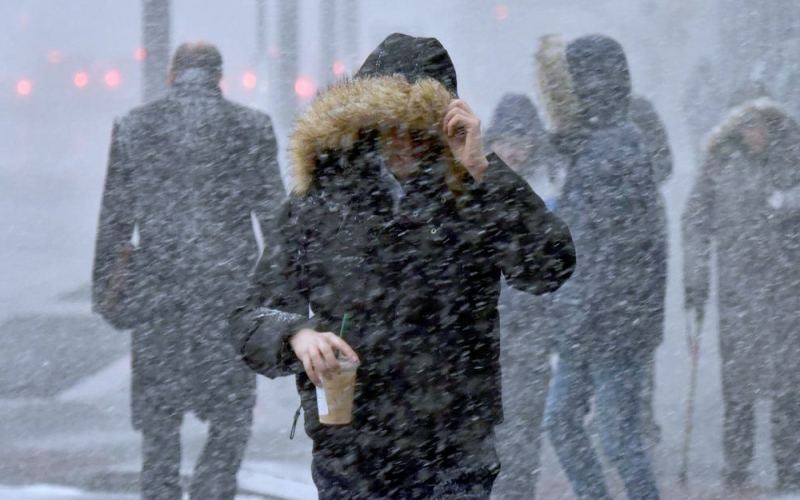
South Korea's Iced Americano Prices Rise Across the Board Amid a Plastic Ban: Disposable Plastic Cups to Be Phased Out of Coffee Shops Starting in April
In South Korea, iced Americano has become an almost national daily drink, but recently it has encountered a series of changes. Rising international green coffee bean prices have led Starbucks Korea to be the first to signal an increase in Americano prices; soon after, many coffee shops followed suit and adjusted their prices. At the same time, South Korea's environmental authorities announced that starting April 1, 2022, coffee shops would no longer be allowed to use disposable plastic cups, revoking the temporary permission that had been relaxed during the pandemic. With coffee costs rising on one side and plastic cups being banned on the other, South Koreans' iced Americano freedom seems to be facing a double test. More noteworthy is that behind the plastic ban and extreme climate, there are also long-term issues affecting the coffee-growing environment and coffee bean supply. [more…]
A Comprehensive Analysis of Jamaican Blue Mountain Coffee Beans: Varieties, Washed Processing, and Grade Classification
Jamaican Blue Mountain coffee is hailed as the "Rolls-Royce" of the coffee world, and its strict definition, unique varietals, and processing methods have created its irreplaceable status. This article will provide an in-depth analysis of Blue Mountain coffee's geographic origin, historical background, varietal characteristics, washed processing methods, and grading standards, and will introduce the century-old heritage and distinctive flavor of the JABLUM estate. At the same time, the article also explores the reasons why Blue Mountain coffee is expensive, its flavor characteristics, and the JABLUM Blue Mountain coffee beans recommended by the Front Street brand. Whether you are a coffee enthusiast or a professional in the industry, you can gain a comprehensive understanding of Blue Mountain coffee from it. [more…]
Blue Mountain No. 1 Pour-Over Coffee: Grind Size, Water Temperature Parameters, Suitable Groups, and Authenticity Guide
Blue Mountain No. 1 coffee beans have always been celebrated for their balanced, mellow flavor, but when it comes to pour-over, exactly what water temperature and grind size should you use? How do the washed and natural processing methods differ in their brewing performance? Starting from the growing region background of Front Street Jamaica Blue Mountain No. 1, this article provides a detailed analysis of the cultivation conditions and grading standards at Clifton Estate, offers a complete brewing recipe with a recommended water temperature of 88°C, a small Fuji ghost-tooth grinder setting of 4.5, and a coffee-to-water ratio of 1:15, and compares the flavor profiles of the natural and washed processes. It also lays out three key points to help readers identify authentic Blue Mountain coffee, and reviews the innovative breakthroughs in processing methods and varieties that Blue Mountain has seen in recent years. [more…]
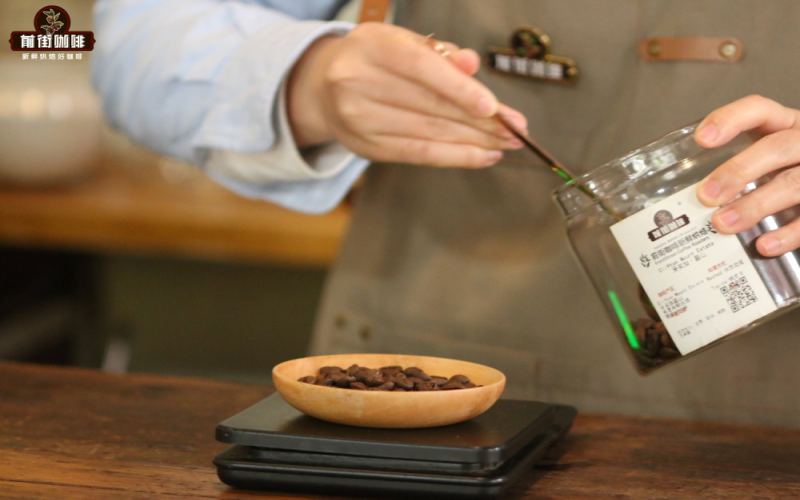
A Detailed Guide to Jamaican Blue Mountain Coffee Grades: Blue Mountain No. 1 Standards, Authenticity Verification, and Brewing Suggestions
Jamaican Blue Mountain coffee is renowned worldwide, but its high price and scarce production have also flooded the market with counterfeits. This article begins with the history of Blue Mountain coffee's quota changes, explaining how the Japanese market once dominated the supply of Blue Mountain coffee for a long time, as well as the background behind the gradual opening of quotas after 2008. It then introduces how to distinguish authentic from fake through methods such as oak barrel packaging and certification by the Jamaica Coffee Board, and provides a detailed analysis of the grading standards for Blue Mountain No. 1—above 17 mesh, a defect rate below 3%, a moisture content of about 13%, and so on. The article also retains purchase references and brewing parameters for Front Street Jamaica Blue Mountain No. 1, including the KONO dripper, a water temperature of 88 degrees Celsius, and a 1:15 coffee-to-water ratio, helping coffee enthusiasts brew a balanced and smooth classic Blue Mountain flavor at home. [more…]
Kenya AA Gichugu Coffee Beans: Origins, Variety Characteristics, and Flavor Profile Fully Explained
Kenya AA Nyeri Gichathaini Specialty Coffee Beans, with the two legendary varieties SL-28 and SL-34 and unique terroir, have become a sought-after treasure for coffee connoisseurs worldwide. From Ethiopia to Yemen, and then to the introduction of Brazilian Bourbon seeds, Kenyan coffee has gone through more than a century of evolution. This article will guide you through its origin and development, detail its blackberry and grapefruit-like fruity flavors, and help you master the most suitable brewing temperature and drinking rhythm. It will also introduce the auction system of the Kenya Coffee Board and the changes in production and prices worldwide. At the end, there is also a medium-light roast profile recommended by Front Street Coffee to help you unlock the best performance of these beans. [more…]
Kenyan Specialty Coffee Flavor Analysis: A Complete Overview of Nyeri Region Bean Characteristics and the Auction System
Kenyan coffee is renowned worldwide for its rich aroma and bright fruity acidity, often described as a "fruit tea" with notes of blackberry and grapefruit. Its unique flavor stems not only from high-altitude growing conditions but is also closely tied to a well-established grading and auction system. This article will provide a comprehensive interpretation of the allure of Kenyan specialty coffee, from flavor and mouthfeel, regional characteristics, historical production changes, to market systems. The washed Kenyan beans recommended by Front Street Coffee are the ideal choice for experiencing this classic flavor. [more…]

A Complete Analysis of the Origin and Flavor of Jamaican Blue Mountain Coffee: The Characteristics of Clifton Estate Typica Beans
Jamaican Blue Mountain coffee is globally recognized as the benchmark for specialty coffee, its unique flavor and strict estate certification system having forged its legendary status. This article begins with the historical origins of Blue Mountain coffee, sorting through the geographical conditions of the Blue Mountain range, the certification standards of the Jamaica Coffee Industry Board, and the unique characteristics of Clifton Estate as the oldest Blue Mountain producing region. At the same time, we will take a deeper look at the Clifton Estate Blue Mountain No. 1 coffee beans selected by Front Street Coffee, comprehensively analyzing the flavor code of this top-tier Arabica coffee—from variety, processing method, roasting curve, and cupping performance—and providing KONO dripper brewing parameters for reference. [more…]
First Attempt at Natural Process Jamaican Blue Mountain Coffee: Analyzing the Differences Between Natural and Washed Blue Mountain
Jamaican Blue Mountain coffee has always been renowned for its washed processing method, and its balanced flavor of acidity, sweetness, and bitterness along with its elegant aroma has captivated countless coffee enthusiasts. However, in the 2020 new crop season, the historic Clifton Estate introduced sun-dried Blue Mountain coffee beans for the first time, which undoubtedly broke the traditional impression of Blue Mountain coffee. Sun-dried and washed—two completely different processing methods—what kind of flavor changes will they bring to Blue Mountain coffee? This article will delve into the origin background, export standards, and variety characteristics of Blue Mountain coffee, and provide a detailed comparison of the specific differences between the washed Blue Mountain and sun-dried Blue Mountain listed by Front Street Coffee in terms of green beans, roasting, brewing, and flavor, giving you a comprehensive understanding of this novel creation. [more…]
Detailed Guide to Jamaica Blue Mountain No.1 Coffee Bean Origin, Varieties, and Pour-Over Parameters
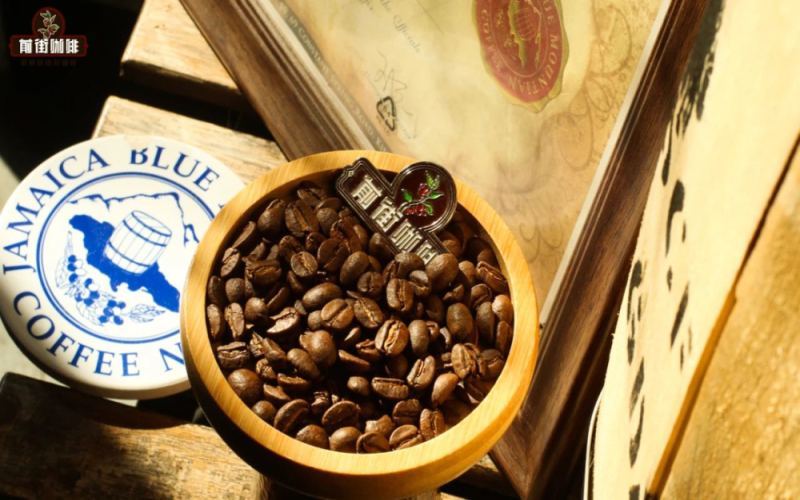
Blue Mountain coffee has always enjoyed an extremely high reputation among coffee lovers worldwide, but products marketed under the "Blue Mountain" banner range in price from a few dozen yuan to over a thousand yuan, making it hard to tell genuine quality from counterfeit. This article will systematically sort out the producing region definition, variety characteristics, grade classification, and certification system of authentic Jamaican Blue Mountain coffee, helping readers recognize what truly constitutes Blue Mountain No. 1. At the same time, Front Street Coffee uses the Blue Mountain No. 1 produced at Clifton Farm as an example to share practical recommendations for pour-over Blue Mountain coffee regarding grind size, coffee-to-water ratio, and other parameters, allowing this top-tier coffee bean to display the flavor performance it deserves. [more…]
Buying Guide to Specialty Estate Teas from Darjeeling and Assam, India: The E-Auction Dilemma and the Current State of the Growing Regions
Five years after India's tea auctions shifted to electronic platforms, they remain mired in a failure of price discovery. The Federation of All India Tea Traders Associations (FAITTA) points out that digital auctions have failed to achieve their original goal of fair pricing, and the 2020 pandemic further strained production, transportation, and exports on multiple fronts. Meanwhile, the total output of small tea growers has surpassed that of registered estates for the first time, making them a new force in the industry. This article reviews the structural challenges currently facing India's tea industry—from disputes over auction mechanisms to changes in production, and from declining exports to the need for mechanization—providing enthusiasts of fine black teas such as Darjeeling and Assam with a comprehensive overview of producing-region developments and purchasing references. [more…]

Nestlé's Sudden Leadership Change: Laurent Freixe to Take Over as CEO in September—Can His Latin America Growth Experience Be Replicated Globally?
Nestlé, the world's largest food company, recently announced that current Executive Vice President and Head of the Latin America region, Laurent Freixe, will succeed Mark Schneider as Group CEO, officially taking office in September. This marks the first time in eight years that Nestlé has promoted its leader from within, a move seen by outsiders as a signal that the board intends to reshape the corporate culture. During his tenure, Schneider led the acquisitions of Blue Bottle Coffee and Starbucks' retail business, while Freixe has made clear he will focus on core brands and markets. Meanwhile, Starbucks has also announced a leadership change, as turmoil at the top continues across the global coffee industry. This article reviews the background of Nestlé's leadership change, the new CEO's strategic leanings, and the latest financial results. [more…]
Jamaican Blue Mountain Coffee Buying Guide: The Truth Behind Japan's Monopoly and How to Identify Authentic Blue Mountain Beans
Regarding Jamaican Blue Mountain coffee, there is a popular saying that "90% of its output is bought up by Japan, and genuine beans are hard to find in the Chinese market." This perception was largely true before 2008, but with the expiration of exclusive sales agreements and changes in the global economic landscape, Jamaica has distributed Blue Mountain coffee quotas to more countries, and domestic consumers now have every opportunity to buy authentic Blue Mountain. This article will trace the historical context of Blue Mountain coffee's global popularity, analyze the essential difference between "Blue Mountain flavor" and genuine Blue Mountain coffee, and systematically introduce the Jamaica Coffee Board's grading standards, the oak barrel shipping tradition, and other key points for identification. At the same time, using Front Street Blue Mountain No. 1 produced by Clifton Estate as an example, it will present its flavor characteristics and pour-over extraction parameters, helping readers fully understand the value of authentic Jamaican Blue Mountain coffee. [more…]